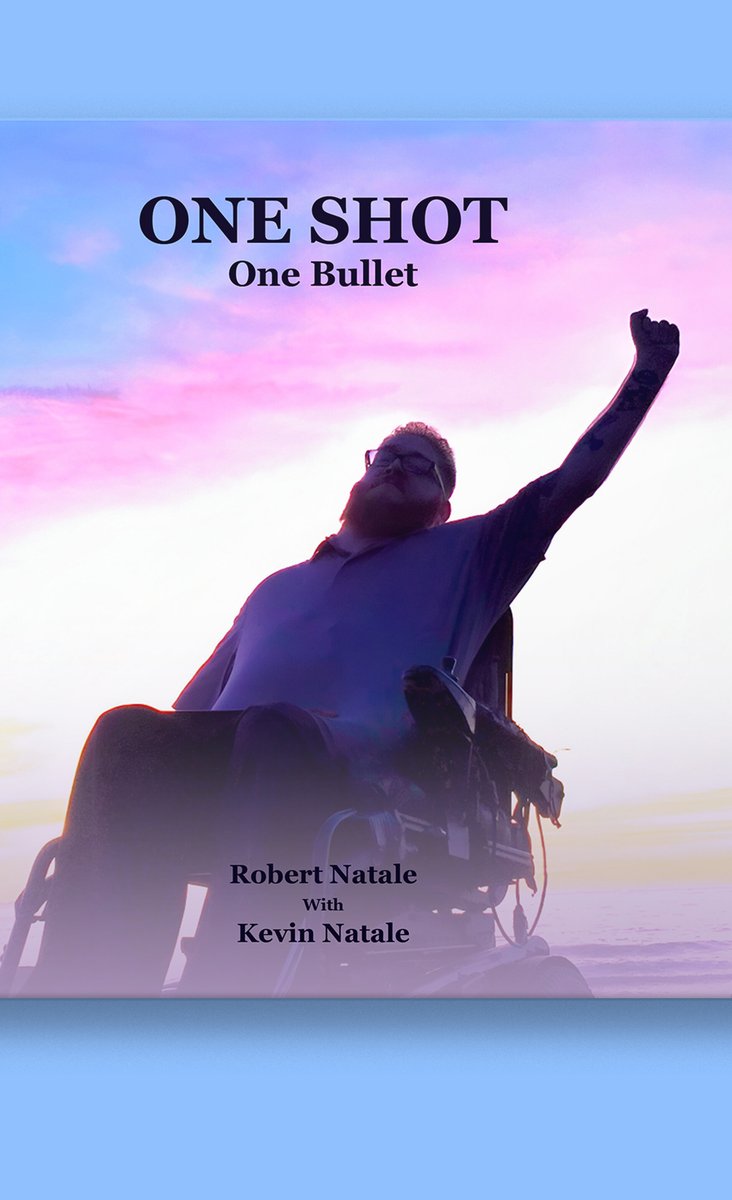
What I Wish People Understood About Caring for a Quadriplegic Son
A wheelchair is only what people see.
After Kevin was shot, our family had to learn an entirely new way of living.
Kevin needed help with many ordinary parts of daily life.
Getting dressed.
Eating.
Transferring.
Traveling.
Managing medical issues.
Getting in and out of bed.
Going to appointments.
Dealing with infections and hospital stays.
These things became part of the family’s reality.
Kris grew up alongside caregiving
Kevin’s sister Kris became deeply involved in his care.
She was young when the shooting happened, and caregiving became part of her life at an age when most teenagers are focused on very different responsibilities.
Over the years, she learned what Kevin needed and became one of the people he depended on most.
But caregiving wasn’t limited to one person.
Family members learned.
Friends learned.
Eventually, Kevin’s nieces and nephews learned.
To the children, Kevin was simply Uncle Kevin
Kevin’s nieces and nephews grew up with him in a wheelchair.
To them, it wasn’t unusual.
They knew Kevin was their uncle first.
They learned how to help him drink and eat. They learned how to position utensils. Jack eventually learned how to transfer Kevin between his bed and wheelchair.
That is one of the most beautiful parts of Kevin’s story.
His disability didn’t make him separate from his family.
His family learned how to live life with him.
The importance of community
The same thing eventually happened with Kevin’s friends.
The Road Dawgs learned how to help with his physical needs, including transfers, making it possible for Kevin to travel with them.
That kind of help isn’t always visible.
People see Kevin at a concert.
They see him at a football game.
They see him traveling.
They see him announcing a basketball game.
They don’t necessarily see the preparation required to make those experiences possible.
But Kevin’s family and friends did.
And they refused to let those challenges keep him from participating in life.
Kevin's life was not a prison
One of the most important themes in the manuscript is that Kevin refused to allow his wheelchair to become a prison.
He attended concerts, sporting events, restaurants, movies, and other activities. He eventually became a basketball announcer and coached youth flag football.
The wheelchair created limitations.
But it did not eliminate possibility.
That is what caregiving taught our family.
Sometimes loving someone means doing the practical things they cannot do for themselves.
But it also means helping them do the things they can do.
Kevin didn’t need people to live his life for him.
He needed people willing to help him live it.